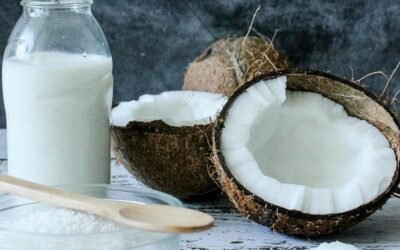
Cooking with Coconut Milk
Secrets of a Versatile and Delightful Ingredient
Coconut milk is one of those mystery ingredients you admire from afar but aren’t sure how to use. Its creamy texture and subtle tropical flavor intrigued me, but I didn’t quite know how to incorporate it into my repertoire. Fast forward to today, and coconut milk has become one of my absolute favorite cooking companions—it’s versatile, rich, and transforms even the simplest of dishes into something special. Let me take you through my journey of cooking with coconut milk and share a few lessons I’ve learned along the way.
Understanding Coconut Milk
To cook with coconut milk, you first need to understand what it is. Coconut milk is made by blending the flesh of mature coconuts with water and straining the mixture. The result is a creamy liquid that can range in richness depending on how much water is added. There’s “light” coconut milk, which is thinner and lower in fat, and “regular” coconut milk, which is thicker and has a higher fat content.
It’s also important to note the difference between coconut milk and coconut cream. Coconut cream is thicker, denser, and richer—it’s perfect for desserts or when you need extra oomph in your recipes.
My Favorite Ways to Use Coconut Milk
I discovered early on that coconut milk works beautifully in both savory and sweet dishes. Here are some of the ways it’s made its way into my kitchen adventures
Curries and Soups
Thai cuisine is a favorite with me and my husband so the first time I used coconut milk was in a classic Thai green curry, it was a revelation. The creamy texture balances the heat of the chili paste and brings harmony to the bold flavors of lemongrass, lime leaves, and ginger. From that moment, I started adding coconut milk to all kinds of curries—Indian, Caribbean, even fusion dishes of my own creation.
Coconut milk also elevates soups like nothing else. Imagine a silky pumpkin soup with hints of coconut or a spicy seafood bisque with a luscious tropical twist. One of my personal favorites is a simple coconut milk and chicken soup flavored with lime juice and cilantro—it’s comfort in a bowl.
Rice and Grain Dishes
Another game-changer for me was to use coconut milk to cook rice, quinoa, farro, and even oatmeal. Coconut milk oatmeal with a drizzle of honey and some fresh mango slices is my go-to breakfast when I want something indulgent but nourishing.
Desserts
Coconut milk shines in desserts, and this is where I’ve had the most fun experimenting. It’s the perfect base for creamy custards, panna cotta, and puddings. I’ve made everything from coconut tapioca to a decadent coconut milk chocolate mousse.
Let’s not forget ice cream—coconut milk is ideal for dairy-free recipes. My signature dessert is a coconut milk ice cream infused with cardamom and topped with roasted cashews. Trust me, it’s a crowd-pleaser every time.
Baking
In baking, coconut milk serves as a fantastic dairy substitute. I’ve used it in everything from cakes to muffins to frostings. One memorable recipe is a coconut milk pound cake that’s moist and rich with just a hint of tropical flavor. Adding shredded coconut to the mix brings additional texture and flavor to the dish.
Tips for Cooking with Coconut Milk
Over the years, I’ve picked up a few tips and tricks that make cooking with coconut milk easier and less stressful.
- Shake it up: Coconut milk can separate in the can, with the creamy part rising to the top. Always shake the can well before opening it or stir it thoroughly once you do.
- Don’t boil it, coconut milk will curdle when boiled at high heat. Add a teaspoon of corn flour and simmer it gently to preserve its creamy texture.
- Store properly: Leftover coconut milk can be stored in the fridge in an airtight container for up to four days. For longer storage, freeze it in ice cube trays for easy portioning.
- Pair flavors thoughtfully: Coconut milk works well with bold, aromatic spices like turmeric, cumin, and cinnamon. It’s also wonderful with citrus, berries, and tropical fruits.
- Try and find a brand that works for you. I use Chaokoh coconut milk and it has been the best for my usage
Experimenting with Coconut Milk
The beauty of coconut milk is how adaptable it is. It is used in everything from vegan mac and cheese to cocktails like piña coladas. One of my recent discoveries is using coconut milk in marinades for fish and shrimp it adds depth and richness when paired with garlic, ginger, and lime juice.
It’s also fascinating to play with regional recipes. For example, coconut milk is a staple in Southeast Asian, Caribbean, and African cuisines, each offering unique ways to showcase its versatility.
Closing Thoughts
Cooking with coconut milk has been a delicious and rewarding journey for me, and I hope you are inspired to dive into the world of this incredible ingredient. Whether you’re a seasoned chef or a kitchen newbie, coconut milk has the power to elevate your dishes and expand your culinary horizons. So go ahead—grab a can, experiment, and discover the magic that awaits.
🌟 Recipe Star: Lorem ipsum – dolor sit amet, consectetur adipiscing elit. Curabitur vel sapien non nulla aliquet commodo vitae a nunc.
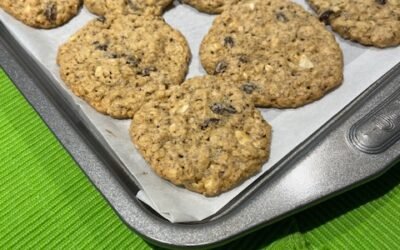
Cashew Cardamom Oatmeal Raisin Cookies
A delightful twist on a favorite treat
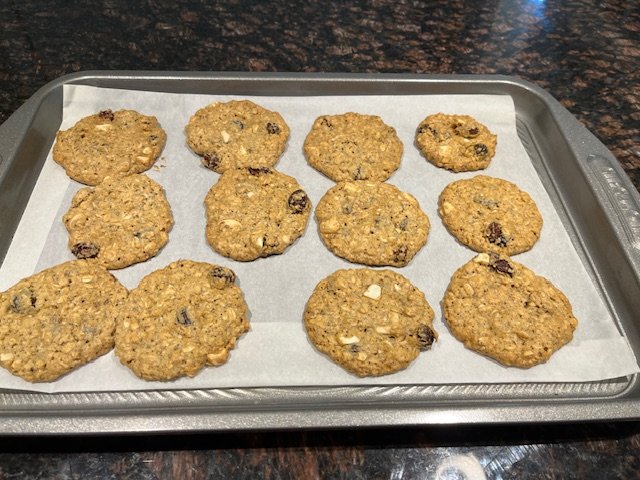
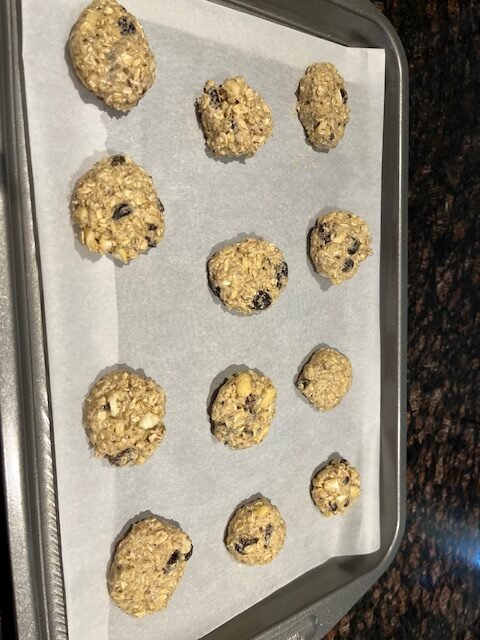
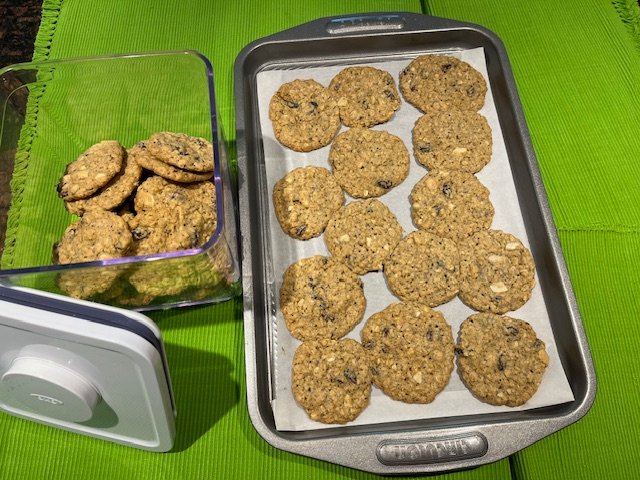
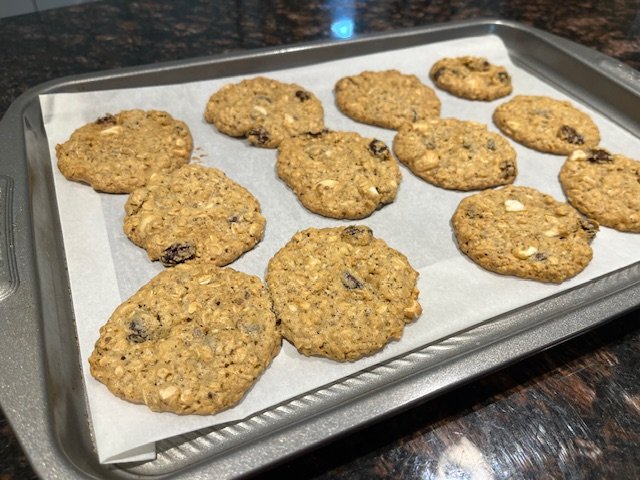
Oatmeal raisin cookies have always been a comforting classic for me, but I wanted to create a recipe that added something special. That’s how I came up with these Cashew Cardamom Oatmeal Raisin Cookies. The buttery crunch of cashews combined with the warm, citrusy notes of cardamom makes these cookies truly unique. Let me walk you through why I chose each ingredient and how you can customize the recipe to suit your dietary needs.
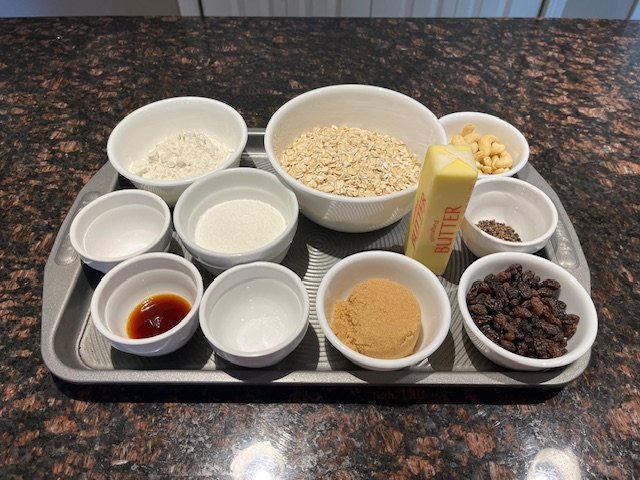
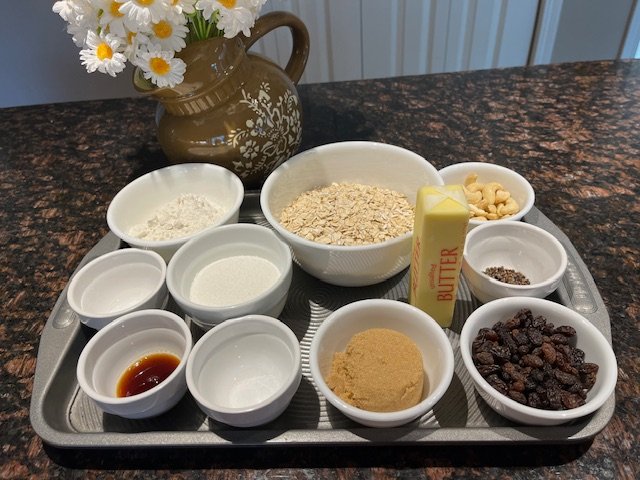
Why I Chose These Ingredients
Cashews
I absolutely love the rich, buttery flavor that cashews bring to these cookies. They add such a satisfying crunch and pair perfectly with the other flavors. Plus, they’re full of healthy fats, protein, and magnesium, so I can indulge guilt-free! If you’re out of cashews, pecans or walnuts are great alternatives, but trust me, cashews make these cookies shine.
Cardamom
Cardamom is one of my favorite spices—it’s so aromatic and adds a sophisticated touch to the cookies. Its subtle citrus and floral notes balance the sweetness beautifully. I always use freshly ground cardamom for the best flavor, and I think you’ll notice the difference, too!
Oats
What’s an oatmeal cookie without oats? I love the hearty texture they provide. They make the cookies chewy and comforting, and they’re a good source of fiber, too. If you need a gluten-free option, just make sure to use certified gluten-free oats.
Raisins
Raisins are a must for me—they add little bursts of natural sweetness and keep the cookies moist. If you’re feeling adventurous, try golden raisins for a slightly different flavor profile.
Flour
I usually stick to all-purpose flour for its consistency, but I’ve also tested this recipe with almond flour and gluten-free baking mixes. Both work wonderfully if you’re avoiding gluten.
Butter
There’s nothing like the richness of butter to make cookies tender and flavorful. That said, I’ve also tried the recipe with coconut oil and vegan butter, and they’re both fantastic for anyone who’s dairy-free.
Sugar
I mix brown sugar and granulated sugar to get the perfect balance of sweetness and that hint of caramel. If you prefer to avoid refined sugar, coconut sugar works well here, too.
Eggs
Eggs are my go-to for binding and structure, but I know not everyone eats eggs. When I make an eggless batch, I use a flaxseed or chia seed mixture (1 tablespoon of ground flax or chia mixed with 2.5 tablespoons of water per egg). It works like a charm!
Baking Powder and Baking Soda
These are essential for the cookies to bake up soft and just the right amount of spread. I always double-check that my leavening agents are fresh before starting.
Vanilla Extract
I never skip vanilla extract—it enhances all the flavors and adds depth to the cookies. A little goes a long way, but it makes such a difference.
How I Make Gluten-Free and Eggless Versions
Gluten-Free Option
When I want to make these cookies gluten-free, I swap the all-purpose flour with almond flour or a gluten-free baking mix. It’s also important to use certified gluten-free oats to keep everything safe for those with gluten sensitivities.
Eggless Option
For an eggless batch, I use flaxseed or chia seeds as a binder. I mix one tablespoon of ground flaxseed or chia with 2.5 tablespoons of water per egg, let it sit for about 5 minutes to thicken, and then add it to the batter. The texture is just as amazing!
I hope you enjoy making (and eating!) these Cashew Cardamom Oatmeal Raisin Cookies as much as I do. They’re perfect for sharing with loved ones or savoring with a quiet cup of tea!
🌟 Recipe Star: Lorem ipsum – dolor sit amet, consectetur adipiscing elit. Curabitur vel sapien non nulla aliquet commodo vitae a nunc.

Hi, I’m Anu — a home cook, recipe explorer, and travel enthusiast based in suburban Chicago. I started this blog to honor the home chefs who filled my childhood with love and flavor.
Every recipe here is personally tried, tasted, and tweaked in my kitchen—with stories, memories, and a dash of heart in every bite.
Categories
Breakfast
Salad
Soup
Dinner
Dessert
Vegeterian
Latest In Categories
No Results Found
The page you requested could not be found. Try refining your search, or use the navigation above to locate the post.
Trending now
No Results Found
The page you requested could not be found. Try refining your search, or use the navigation above to locate the post.
International Recipes
No Results Found
The page you requested could not be found. Try refining your search, or use the navigation above to locate the post.
How To, Tips & More
No Results Found
The page you requested could not be found. Try refining your search, or use the navigation above to locate the post.