A Middle Eastern Gem That Found a Home in My Kitchen
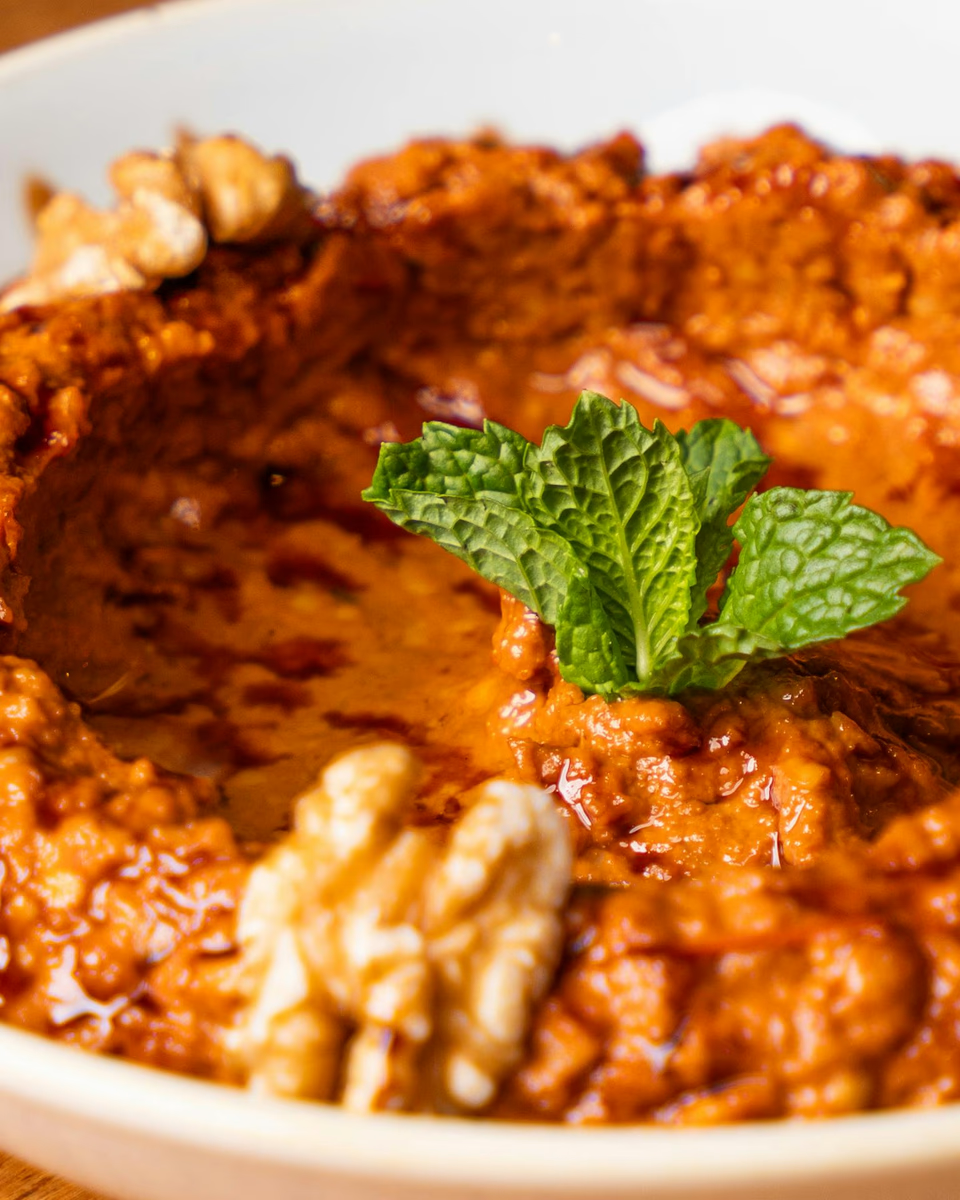
I first encountered Muhammara paste during a memorable journey through the Middle East. At a bustling market in Doha, Qatar, I was drawn to the vibrant red spread served alongside warm breads and fresh vegetables. Its rich color and enticing aroma immediately caught my attention, yet I found myself wondering what ingredients could create such a unique flavor—smoky, tangy, and subtly sweet. My curiosity led me to scour local cookbooks and chat with generous shopkeepers, eager to uncover the secrets behind this delicious condiment. What began as a foreign curiosity soon became a staple in my own kitchen, where I now prepare Muhammara regularly for family gatherings, friendly dinners, and quiet evenings at home.
Origins of Muhammara
Muhammara traces its roots to Aleppo, Syria—a city celebrated for its culinary heritage and distinctive spice blends. The name “muhammara” means “reddened” in Arabic, a nod to the paste’s stunning hue. Over time, it became beloved across the Middle East, and then winning fans all around the world.
My Favorite Muhammara Recipe
After trying several versions and experimenting with flavors, I’ve settled on my own favorite version of the recipe. The essential ingredients are roasted red peppers, walnuts, olive oil, and a few well-chosen seasonings. Here’s how I make it at home:
- 2 large red bell peppers (or 1 cup jarred roasted red peppers, drained)
- 1 cup walnuts, toasted
- 1/4 cup breadcrumbs
- 2–3 tablespoons extra-virgin olive oil
- 1–2 tablespoons tamarind paste
- 1–2 garlic cloves, minced
- 1 tablespoon lemon juice
- 1 teaspoon ground cumin
- 1 teaspoon Aleppo pepper or red chili flakes (to taste)
- Salt and black pepper, to taste
First, I rub a little olive oil and roast the red peppers over an open flame or in the oven until their skins are charred. Once cool, I peel them and remove the seeds.
In a food processor, I pulse the toasted walnuts until finely chopped carefully not to make them into a paste.
I add the roasted peppers, breadcrumbs, garlic, lemon juice, tamarind paste, cumin, Aleppo pepper, and a pinch of salt and black pepper. I blend just until everything is mixed but still a little chunky. While the processor runs, slowly drizzle in the olive oil, watching the mixture transform into a lush, spreadable paste.
Finally, taste and adjust—sometimes salt or a bit more lemon. I like to serve Muhammara in a bowl drizzled with olive oil, always at room temperature.
How I Use Muhammara Paste
Muhammara’s versatility is one of the reasons I return to it again and again. I often serve it as a dip with pita or crunchy vegetables, especially when friends come over for a mezze platter. The nutty, tangy spread elevates simple sandwiches and wraps, and it is a delightful topping for grilled meats or fish.
But my enjoyment of Muhammara doesn’t stop there. I love swirling it into cooked grains, spooning it over roasted vegetables, or using it as a sauce for pizza. Its combination of sweetness and spice pairs beautifully with cheese, eggs, and even legumes. It’s a condiment that encourages experimentation and rewards creativity in the kitchen.
Conclusion
Discovering Muhammara was a culinary adventure that began in a faraway market and continues in my own home. More than just a dip or spread, it’s a celebration of Middle Eastern flavors and a testament to the joy of exploring new ingredients. If you’ve never tried Muhammara, I encourage you to make it part of your kitchen repertoire—you might find, as I did, that it quickly becomes a favorite.