




A Journey Into Making My Perfect Buddha Bowl
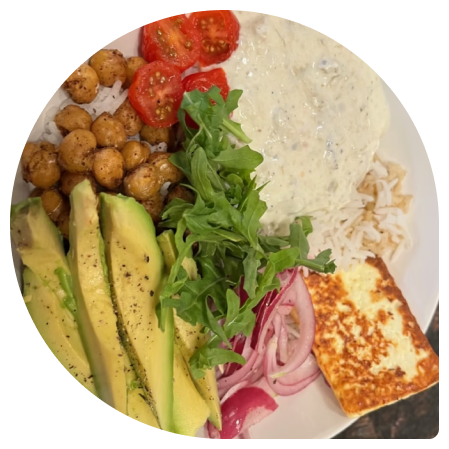
There’s something almost meditative about assembling a Buddha bowl. Whenever I find myself craving a meal that feels as good to create as it does to eat—colorful, wholesome, endlessly customizable—I turn to this dish. It’s as much about the process as the result: choosing ingredients that delight the senses, preparing them with care, and layering everything together into a bowl that’s as beautiful as it is satisfying.


What Is a Buddha Bowl?
A Buddha bowl is a generous, rounded dish—usually a bowl—brimming with an array of plant-based ingredients. It’s named after the way the contents mound up, reminiscent of the rounded belly of Buddha. For me, the Buddha bowl embodies balance: a harmony of flavors, textures, and nutrients.
Typically, a Buddha bowl includes:
- Greens (raw or lightly wilted)
- Grains or starchy vegetables
- Proteins (often plant-based, like tofu or beans)
- Crunchy or pickled vegetables
- A drizzle of dressing or sauce for richness
But the beauty is in the flexibility—each ingredient can be swapped or adapted to suit your taste, season, or dietary needs.
Choosing My Favorites
As I gather ingredients, I focus on variety, both for nutrition and pleasure. These are some of my favorites for this bowl:
Brown and White Rice
The base of the bowl is usually a carbohydrate-rich grain like white rice or brown rice. I like to mix them to add variety of texture.
Sliced Avocados
Nothing quite matches the creamy texture and subtle flavor of ripe avocado. I slice it and place it across the bowl for a pop of verdant green. Avocado is rich in heart-healthy fats and brings a soothing note that balances the sharpness of other ingredients.
Boiled Garbanzo Beans (Chickpeas)
Chickpeas are my go-to for plant protein. They’re tender, nutty, and incredibly versatile. I often boil dried chickpeas myself for maximum flavor and texture, though canned work well in a pinch. Tossed with a dash of sea salt and olive oil, they anchor the bowl and provide lasting energy.
Red Onions
For crunch, color, and a touch of heat, I slice red onions, sometimes, I pickle them quickly in lemon juice to mellow their bite and add brightness. Red onions are loaded with antioxidants and offer a satisfying contrast to softer ingredients.
Cherry Tomatoes
For sweetness, tang and color. It boosts the nutritional value of the dish with a good dose of Vitamin C.
Pan-Seared Tofu
Tofu is a marvel—mild on its own but a sponge for flavor. I press firm tofu to remove excess water, then slice and pan-sear it until golden and crisp on the edges. A splash of soy sauce, ginger, or sesame oil turns it into an umami-rich addition. Tofu adds both protein and substance, making the bowl filling.
Arugula Leaves
Arugula is my green of choice: peppery, fresh, and slightly bitter, it wakes up the palate. Its delicate leaves cushion heavier ingredients and add a lively snap. Arugula is high in vitamins A and K, and it brings a lightness that defines the bowl.
Charred Eggplant and Yogurt Drizzle
A dollop of plain yogurt introduces creamy tang and a gentle cooling effect. This is my secret ingredient – a smoky, dense dip/drizzle made by roasting or charring eggplant and blending it with olive oil, garlic, lemon and yogurt. It infuses the bowl with depth and complexity, bringing all the flavors together. Eggplant’s smoky sweetness is irresistible, and as a topping, it truly elevates the dish.
Steps Involved: Assembling My Buddha Bowl
Here’s how I bring all these ingredients together for a meal that’s as delightful to prepare as it is to devour:
The Rice Base
I start with a mix of white and brown rice, cooked separately and then mixed a generous handful of arugula leaves, rinsed and patted dry. These form the fresh, crisp foundation of the bowl.
Cook the Proteins
For the tofu, I slice a block of firm tofu and pat it dry. Heating a nonstick pan over medium-high, I add a touch of oil and sear the tofu on both sides until golden. A splash of soy sauce or a sprinkle of sesame seeds at the end enhances its flavor.
Chickpeas—if using canned, drain and rinse them well. If using dried, I soak overnight and boil until tender. I season them lightly with salt and pepper.
Prepare Crunchy and Creamy Additions
I slice red onion, sometimes letting it sit in lemon juice for ten minutes. Avocado is sliced just before serving to keep it fresh and green.
Make the Charred Eggplant -Yogurt Dip/Drizzle
I roast or grill a small eggplant until the skin is blackened and the flesh soft. Once cooled, I scrape out the charred skin and blend the flesh by hand with a splash of olive oil, minced garlic clove, and lemon juice until smooth and then add the yogurt and mix. Season with black pepper and salt.
Assemble the Bowl
I like my Buddha bowl to be neat and organized so I arrange it to display all ingredients clearly. I arrange the Arugula leaves, tofu slices, spoon in the chickpeas, nestle the avocado fans, and the onions. Finally, a dollop of the Eggplant- yogurt dip.
Final Touches
A sprinkle of sesame seeds, a crack of black pepper, or a dusting of smoked paprika—these little flourishes add even more flavor and color. Sometimes I add a handful of sprouts or microgreens for extra crunch.
Enjoying the Bowl
I love that every bite is a little different. The creamy avocado, crisp tofu, tart onions, and smoky drizzle combine in endless variations. The Buddha bowl is more than a recipe—it’s a ritual, a celebration of good food and mindful preparation.
Shakshuka: A simple dish that surprises you
When I first discovered Shakshuka while travelling in the Middle East, I was captivated by its vibrant colors and comforting aroma. This dish, whose name means “a mixture” in Arabic, has roots in North Africa—particularly Tunisia—and has become a beloved staple across the Middle East. Its journey through cultures is a testament to how simple ingredients can create something truly special.


The Heart of Shakshuka: Ingredients
Let’s talk about what makes Shakshuka so irresistible:
- Eggs: The star of the show! Eggs are gently poached in a rich tomato sauce, their creamy yolks adding a luscious texture and flavor.
- Red Onions: I love using red onions for their subtle sweetness and beautiful color. They form the aromatic base, mingling with spices to create depth.
- Tomatoes: Fresh or canned, tomatoes are essential. They simmer down into a tangy, slightly sweet sauce that cradles the eggs.
- Garlic: This is optional, I love the flavor of garlic and so I add it in my version of Shakshuka
- Cilantro: This herb adds a burst of freshness at the end. Its citrus notes balance the warmth of the spices and the richness of the eggs.
How I Make Shakshuka: Step-by-Step
- Sauté the Aromatics: I start by heating olive oil in a wide skillet. I add sliced red onions and cook until they’re soft and fragrant.
- Add Garlic and Spices: Next, I toss in minced garlic, cumin, paprika, and a pinch of chili flakes. The kitchen fills with a warm, spicy aroma.
- Tomatoes Join the Party: I pour in chopped tomatoes (sometimes a mix of fresh and canned) and let them simmer until the sauce thickens.
- Create Egg Pockets: With the back of a spoon, I make little wells in the sauce and gently crack eggs into each one.
- Poach the Eggs: I cover the pan and let the eggs cook until the whites are set but the yolks are still runny.
- Finish with Cilantro: Just before serving, I sprinkle chopped cilantro over the top for a fresh, herbal kick.
Why I Love Shakshuka
Shakshuka is more than just a meal—it’s a celebration of flavors and cultures. It’s perfect for breakfast, brunch, or even dinner. I love serving it straight from the pan with warm crusty bread to scoop up every last bit.

Hi, I’m Anu — a home cook, recipe explorer, and travel enthusiast based in suburban Chicago. I started this blog to honor the home chefs who filled my childhood with love and flavor.
Every recipe here is personally tried, tasted, and tweaked in my kitchen—with stories, memories, and a dash of heart in every bite.
Categories
Breakfast
Salad
Soup
Dinner
Dessert
Vegeterian
Latest In Categories
A Journey Into Making My Perfect Buddha Bowl
There’s something almost meditative about assembling a Buddha bowl. Whenever I find myself craving a meal that feels as good to create as it does to eat—colorful, wholesome, endlessly customizable—I turn to this dish. It’s as much about the process as the result: choosing ingredients that delight the senses, preparing them with care, and layering everything together into a bowl that’s as beautiful as it is satisfying.


What Is a Buddha Bowl?
A Buddha bowl is a generous, rounded dish—usually a bowl—brimming with an array of plant-based ingredients. It’s named after the way the contents mound up, reminiscent of the rounded belly of Buddha. For me, the Buddha bowl embodies balance: a harmony of flavors, textures, and nutrients.
Typically, a Buddha bowl includes:
- Greens (raw or lightly wilted)
- Grains or starchy vegetables
- Proteins (often plant-based, like tofu or beans)
- Crunchy or pickled vegetables
- A drizzle of dressing or sauce for richness
But the beauty is in the flexibility—each ingredient can be swapped or adapted to suit your taste, season, or dietary needs.
Choosing My Favorites
As I gather ingredients, I focus on variety, both for nutrition and pleasure. These are some of my favorites for this bowl:
Brown and White Rice
The base of the bowl is usually a carbohydrate-rich grain like white rice or brown rice. I like to mix them to add variety of texture.
Sliced Avocados
Nothing quite matches the creamy texture and subtle flavor of ripe avocado. I slice it and place it across the bowl for a pop of verdant green. Avocado is rich in heart-healthy fats and brings a soothing note that balances the sharpness of other ingredients.
Boiled Garbanzo Beans (Chickpeas)
Chickpeas are my go-to for plant protein. They’re tender, nutty, and incredibly versatile. I often boil dried chickpeas myself for maximum flavor and texture, though canned work well in a pinch. Tossed with a dash of sea salt and olive oil, they anchor the bowl and provide lasting energy.
Red Onions
For crunch, color, and a touch of heat, I slice red onions, sometimes, I pickle them quickly in lemon juice to mellow their bite and add brightness. Red onions are loaded with antioxidants and offer a satisfying contrast to softer ingredients.
Cherry Tomatoes
For sweetness, tang and color. It boosts the nutritional value of the dish with a good dose of Vitamin C.
Pan-Seared Tofu
Tofu is a marvel—mild on its own but a sponge for flavor. I press firm tofu to remove excess water, then slice and pan-sear it until golden and crisp on the edges. A splash of soy sauce, ginger, or sesame oil turns it into an umami-rich addition. Tofu adds both protein and substance, making the bowl filling.
Arugula Leaves
Arugula is my green of choice: peppery, fresh, and slightly bitter, it wakes up the palate. Its delicate leaves cushion heavier ingredients and add a lively snap. Arugula is high in vitamins A and K, and it brings a lightness that defines the bowl.
Charred Eggplant and Yogurt Drizzle
A dollop of plain yogurt introduces creamy tang and a gentle cooling effect. This is my secret ingredient – a smoky, dense dip/drizzle made by roasting or charring eggplant and blending it with olive oil, garlic, lemon and yogurt. It infuses the bowl with depth and complexity, bringing all the flavors together. Eggplant’s smoky sweetness is irresistible, and as a topping, it truly elevates the dish.
Steps Involved: Assembling My Buddha Bowl
Here’s how I bring all these ingredients together for a meal that’s as delightful to prepare as it is to devour:
The Rice Base
I start with a mix of white and brown rice, cooked separately and then mixed a generous handful of arugula leaves, rinsed and patted dry. These form the fresh, crisp foundation of the bowl.
Cook the Proteins
For the tofu, I slice a block of firm tofu and pat it dry. Heating a nonstick pan over medium-high, I add a touch of oil and sear the tofu on both sides until golden. A splash of soy sauce or a sprinkle of sesame seeds at the end enhances its flavor.
Chickpeas—if using canned, drain and rinse them well. If using dried, I soak overnight and boil until tender. I season them lightly with salt and pepper.
Prepare Crunchy and Creamy Additions
I slice red onion, sometimes letting it sit in lemon juice for ten minutes. Avocado is sliced just before serving to keep it fresh and green.
Make the Charred Eggplant -Yogurt Dip/Drizzle
I roast or grill a small eggplant until the skin is blackened and the flesh soft. Once cooled, I scrape out the charred skin and blend the flesh by hand with a splash of olive oil, minced garlic clove, and lemon juice until smooth and then add the yogurt and mix. Season with black pepper and salt.
Assemble the Bowl
I like my Buddha bowl to be neat and organized so I arrange it to display all ingredients clearly. I arrange the Arugula leaves, tofu slices, spoon in the chickpeas, nestle the avocado fans, and the onions. Finally, a dollop of the Eggplant- yogurt dip.
Final Touches
A sprinkle of sesame seeds, a crack of black pepper, or a dusting of smoked paprika—these little flourishes add even more flavor and color. Sometimes I add a handful of sprouts or microgreens for extra crunch.
Enjoying the Bowl
I love that every bite is a little different. The creamy avocado, crisp tofu, tart onions, and smoky drizzle combine in endless variations. The Buddha bowl is more than a recipe—it’s a ritual, a celebration of good food and mindful preparation.
Shakshuka: A simple dish that surprises you
When I first discovered Shakshuka while travelling in the Middle East, I was captivated by its vibrant colors and comforting aroma. This dish, whose name means “a mixture” in Arabic, has roots in North Africa—particularly Tunisia—and has become a beloved staple across the Middle East. Its journey through cultures is a testament to how simple ingredients can create something truly special.


The Heart of Shakshuka: Ingredients
Let’s talk about what makes Shakshuka so irresistible:
- Eggs: The star of the show! Eggs are gently poached in a rich tomato sauce, their creamy yolks adding a luscious texture and flavor.
- Red Onions: I love using red onions for their subtle sweetness and beautiful color. They form the aromatic base, mingling with spices to create depth.
- Tomatoes: Fresh or canned, tomatoes are essential. They simmer down into a tangy, slightly sweet sauce that cradles the eggs.
- Garlic: This is optional, I love the flavor of garlic and so I add it in my version of Shakshuka
- Cilantro: This herb adds a burst of freshness at the end. Its citrus notes balance the warmth of the spices and the richness of the eggs.
How I Make Shakshuka: Step-by-Step
- Sauté the Aromatics: I start by heating olive oil in a wide skillet. I add sliced red onions and cook until they’re soft and fragrant.
- Add Garlic and Spices: Next, I toss in minced garlic, cumin, paprika, and a pinch of chili flakes. The kitchen fills with a warm, spicy aroma.
- Tomatoes Join the Party: I pour in chopped tomatoes (sometimes a mix of fresh and canned) and let them simmer until the sauce thickens.
- Create Egg Pockets: With the back of a spoon, I make little wells in the sauce and gently crack eggs into each one.
- Poach the Eggs: I cover the pan and let the eggs cook until the whites are set but the yolks are still runny.
- Finish with Cilantro: Just before serving, I sprinkle chopped cilantro over the top for a fresh, herbal kick.
Why I Love Shakshuka
Shakshuka is more than just a meal—it’s a celebration of flavors and cultures. It’s perfect for breakfast, brunch, or even dinner. I love serving it straight from the pan with warm crusty bread to scoop up every last bit.
Vegetable Burritos: A Symphony of Fresh Flavors
How to Craft Versatile, Vibrant Burritos
I’ve long believed that burritos are one of the world’s most versatile and satisfying foods. Whether you crave something light and wholesome or rich and decadent, burritos can be shaped to fit your mood, pantry, and palate. For me, their magic lies in the endless combinations of ingredients you can tuck inside a warm tortilla, each bit of a new adventure.
Today, I want to share how I make my go-to vegetable burritos. This particular version is close to my heart: the fillings are colorful, nutritious, and deeply flavorful. But more than that, they showcase the adaptability of burritos. If you have a tortilla and imagination, you have a burrito.


The Versatility of Vegetable Burritos
Burritos invite creativity. You can fill them with anything from simple beans and rice to roasted vegetables, tangy sauces, or even last night’s leftovers. They make an ideal vehicle for clearing out the fridge or for highlighting the freshest produce from the market. And, of course, burritos are perfect for sharing or for meal preparation ahead of a busy week.
My Vegetable Burrito Stuffing: A Closer Look
Let me walk you through my stuffing choices and why each plays a starring role:
- Sautéed Diced Potatoes: These add a toothsome bite and a hearty, comforting base. Potatoes soak up seasonings and offer substance, making the burrito satisfying and filling.
- Sauté a mix of Red Onions, Green and Red Peppers, and Corn: The olive oil lends richness and brings out the sweetness of the vegetables. Red onions provide subtle sharpness, green and red peppers add crunch and color, while corn contributes bursts of sweetness and a summery feel. I add black pepper, salt and a dash of
- Shredded Cheese: A blanket of cheese ties all the components together. When the burrito is warm, the cheese melts into the fillings, adding creaminess and depth.
- Chopped Spring Onions and Cilantro (Garnish): These fresh herbs provide a vivid contrast to the fillings, adding brightness, a hint of spice, and a pop of green.
- Lemon Juice: A generous squeeze over the assembled burrito wakes up all the flavors. The acidity cuts through the richness and unifies each bite.
Assembling Vegetable Burritos
Here’s my step-by-step process:
- Prep the Ingredients: I start by dicing potatoes into small cubes. I also dice red onions, green and red peppers, chop spring onions and cilantro.
- Cook the Potatoes: In a skillet over medium heat, Add a glug of olive oil and sauté the diced potatoes until golden brown and fork-tender. I season them with salt, pepper, and sometimes a sprinkle of smoked paprika.
- Sauté the Vegetables: Once the potatoes are done, I set them aside and use the same pan to sauté the red onions, peppers, and corn in olive oil. Cook until everything is tender yet still vibrant, seasoning as I go.
- Assemble the Burritos: I warm large flour tortillas in a dry skillet or microwave. Then, I layer in a scoop of potatoes, a heap of stir-fried vegetables, and a generous handful of shredded cheese.
- Finish and Garnish: With all the fillings inside, I fold the tortilla into a neat parcel. Just before serving, I scatter chopped spring onions and cilantro on top, then drizzle everything with fresh lemon juice.
Burritos as a Canvas
Burritos, to me, are a canvas—each ingredient, a stroke of flavor and color. This recipe can be adapted endlessly: swap in sweet potatoes, add black beans, stir in your favorite hot sauce, or try a crumble of feta for a twist. The point is to make it yours.
Delicious Vegetable Burritos: A Step-by-Step Guide
Trending now
A Journey Into Making My Perfect Buddha Bowl
There’s something almost meditative about assembling a Buddha bowl. Whenever I find myself craving a meal that feels as good to create as it does to eat—colorful, wholesome, endlessly customizable—I turn to this dish. It’s as much about the process as the result: choosing ingredients that delight the senses, preparing them with care, and layering everything together into a bowl that’s as beautiful as it is satisfying.


What Is a Buddha Bowl?
A Buddha bowl is a generous, rounded dish—usually a bowl—brimming with an array of plant-based ingredients. It’s named after the way the contents mound up, reminiscent of the rounded belly of Buddha. For me, the Buddha bowl embodies balance: a harmony of flavors, textures, and nutrients.
Typically, a Buddha bowl includes:
- Greens (raw or lightly wilted)
- Grains or starchy vegetables
- Proteins (often plant-based, like tofu or beans)
- Crunchy or pickled vegetables
- A drizzle of dressing or sauce for richness
But the beauty is in the flexibility—each ingredient can be swapped or adapted to suit your taste, season, or dietary needs.
Choosing My Favorites
As I gather ingredients, I focus on variety, both for nutrition and pleasure. These are some of my favorites for this bowl:
Brown and White Rice
The base of the bowl is usually a carbohydrate-rich grain like white rice or brown rice. I like to mix them to add variety of texture.
Sliced Avocados
Nothing quite matches the creamy texture and subtle flavor of ripe avocado. I slice it and place it across the bowl for a pop of verdant green. Avocado is rich in heart-healthy fats and brings a soothing note that balances the sharpness of other ingredients.
Boiled Garbanzo Beans (Chickpeas)
Chickpeas are my go-to for plant protein. They’re tender, nutty, and incredibly versatile. I often boil dried chickpeas myself for maximum flavor and texture, though canned work well in a pinch. Tossed with a dash of sea salt and olive oil, they anchor the bowl and provide lasting energy.
Red Onions
For crunch, color, and a touch of heat, I slice red onions, sometimes, I pickle them quickly in lemon juice to mellow their bite and add brightness. Red onions are loaded with antioxidants and offer a satisfying contrast to softer ingredients.
Cherry Tomatoes
For sweetness, tang and color. It boosts the nutritional value of the dish with a good dose of Vitamin C.
Pan-Seared Tofu
Tofu is a marvel—mild on its own but a sponge for flavor. I press firm tofu to remove excess water, then slice and pan-sear it until golden and crisp on the edges. A splash of soy sauce, ginger, or sesame oil turns it into an umami-rich addition. Tofu adds both protein and substance, making the bowl filling.
Arugula Leaves
Arugula is my green of choice: peppery, fresh, and slightly bitter, it wakes up the palate. Its delicate leaves cushion heavier ingredients and add a lively snap. Arugula is high in vitamins A and K, and it brings a lightness that defines the bowl.
Charred Eggplant and Yogurt Drizzle
A dollop of plain yogurt introduces creamy tang and a gentle cooling effect. This is my secret ingredient – a smoky, dense dip/drizzle made by roasting or charring eggplant and blending it with olive oil, garlic, lemon and yogurt. It infuses the bowl with depth and complexity, bringing all the flavors together. Eggplant’s smoky sweetness is irresistible, and as a topping, it truly elevates the dish.
Steps Involved: Assembling My Buddha Bowl
Here’s how I bring all these ingredients together for a meal that’s as delightful to prepare as it is to devour:
The Rice Base
I start with a mix of white and brown rice, cooked separately and then mixed a generous handful of arugula leaves, rinsed and patted dry. These form the fresh, crisp foundation of the bowl.
Cook the Proteins
For the tofu, I slice a block of firm tofu and pat it dry. Heating a nonstick pan over medium-high, I add a touch of oil and sear the tofu on both sides until golden. A splash of soy sauce or a sprinkle of sesame seeds at the end enhances its flavor.
Chickpeas—if using canned, drain and rinse them well. If using dried, I soak overnight and boil until tender. I season them lightly with salt and pepper.
Prepare Crunchy and Creamy Additions
I slice red onion, sometimes letting it sit in lemon juice for ten minutes. Avocado is sliced just before serving to keep it fresh and green.
Make the Charred Eggplant -Yogurt Dip/Drizzle
I roast or grill a small eggplant until the skin is blackened and the flesh soft. Once cooled, I scrape out the charred skin and blend the flesh by hand with a splash of olive oil, minced garlic clove, and lemon juice until smooth and then add the yogurt and mix. Season with black pepper and salt.
Assemble the Bowl
I like my Buddha bowl to be neat and organized so I arrange it to display all ingredients clearly. I arrange the Arugula leaves, tofu slices, spoon in the chickpeas, nestle the avocado fans, and the onions. Finally, a dollop of the Eggplant- yogurt dip.
Final Touches
A sprinkle of sesame seeds, a crack of black pepper, or a dusting of smoked paprika—these little flourishes add even more flavor and color. Sometimes I add a handful of sprouts or microgreens for extra crunch.
Enjoying the Bowl
I love that every bite is a little different. The creamy avocado, crisp tofu, tart onions, and smoky drizzle combine in endless variations. The Buddha bowl is more than a recipe—it’s a ritual, a celebration of good food and mindful preparation.
Shakshuka: A simple dish that surprises you
When I first discovered Shakshuka while travelling in the Middle East, I was captivated by its vibrant colors and comforting aroma. This dish, whose name means “a mixture” in Arabic, has roots in North Africa—particularly Tunisia—and has become a beloved staple across the Middle East. Its journey through cultures is a testament to how simple ingredients can create something truly special.


The Heart of Shakshuka: Ingredients
Let’s talk about what makes Shakshuka so irresistible:
- Eggs: The star of the show! Eggs are gently poached in a rich tomato sauce, their creamy yolks adding a luscious texture and flavor.
- Red Onions: I love using red onions for their subtle sweetness and beautiful color. They form the aromatic base, mingling with spices to create depth.
- Tomatoes: Fresh or canned, tomatoes are essential. They simmer down into a tangy, slightly sweet sauce that cradles the eggs.
- Garlic: This is optional, I love the flavor of garlic and so I add it in my version of Shakshuka
- Cilantro: This herb adds a burst of freshness at the end. Its citrus notes balance the warmth of the spices and the richness of the eggs.
How I Make Shakshuka: Step-by-Step
- Sauté the Aromatics: I start by heating olive oil in a wide skillet. I add sliced red onions and cook until they’re soft and fragrant.
- Add Garlic and Spices: Next, I toss in minced garlic, cumin, paprika, and a pinch of chili flakes. The kitchen fills with a warm, spicy aroma.
- Tomatoes Join the Party: I pour in chopped tomatoes (sometimes a mix of fresh and canned) and let them simmer until the sauce thickens.
- Create Egg Pockets: With the back of a spoon, I make little wells in the sauce and gently crack eggs into each one.
- Poach the Eggs: I cover the pan and let the eggs cook until the whites are set but the yolks are still runny.
- Finish with Cilantro: Just before serving, I sprinkle chopped cilantro over the top for a fresh, herbal kick.
Why I Love Shakshuka
Shakshuka is more than just a meal—it’s a celebration of flavors and cultures. It’s perfect for breakfast, brunch, or even dinner. I love serving it straight from the pan with warm crusty bread to scoop up every last bit.
Vegetable Burritos: A Symphony of Fresh Flavors
How to Craft Versatile, Vibrant Burritos
I’ve long believed that burritos are one of the world’s most versatile and satisfying foods. Whether you crave something light and wholesome or rich and decadent, burritos can be shaped to fit your mood, pantry, and palate. For me, their magic lies in the endless combinations of ingredients you can tuck inside a warm tortilla, each bit of a new adventure.
Today, I want to share how I make my go-to vegetable burritos. This particular version is close to my heart: the fillings are colorful, nutritious, and deeply flavorful. But more than that, they showcase the adaptability of burritos. If you have a tortilla and imagination, you have a burrito.


The Versatility of Vegetable Burritos
Burritos invite creativity. You can fill them with anything from simple beans and rice to roasted vegetables, tangy sauces, or even last night’s leftovers. They make an ideal vehicle for clearing out the fridge or for highlighting the freshest produce from the market. And, of course, burritos are perfect for sharing or for meal preparation ahead of a busy week.
My Vegetable Burrito Stuffing: A Closer Look
Let me walk you through my stuffing choices and why each plays a starring role:
- Sautéed Diced Potatoes: These add a toothsome bite and a hearty, comforting base. Potatoes soak up seasonings and offer substance, making the burrito satisfying and filling.
- Sauté a mix of Red Onions, Green and Red Peppers, and Corn: The olive oil lends richness and brings out the sweetness of the vegetables. Red onions provide subtle sharpness, green and red peppers add crunch and color, while corn contributes bursts of sweetness and a summery feel. I add black pepper, salt and a dash of
- Shredded Cheese: A blanket of cheese ties all the components together. When the burrito is warm, the cheese melts into the fillings, adding creaminess and depth.
- Chopped Spring Onions and Cilantro (Garnish): These fresh herbs provide a vivid contrast to the fillings, adding brightness, a hint of spice, and a pop of green.
- Lemon Juice: A generous squeeze over the assembled burrito wakes up all the flavors. The acidity cuts through the richness and unifies each bite.
Assembling Vegetable Burritos
Here’s my step-by-step process:
- Prep the Ingredients: I start by dicing potatoes into small cubes. I also dice red onions, green and red peppers, chop spring onions and cilantro.
- Cook the Potatoes: In a skillet over medium heat, Add a glug of olive oil and sauté the diced potatoes until golden brown and fork-tender. I season them with salt, pepper, and sometimes a sprinkle of smoked paprika.
- Sauté the Vegetables: Once the potatoes are done, I set them aside and use the same pan to sauté the red onions, peppers, and corn in olive oil. Cook until everything is tender yet still vibrant, seasoning as I go.
- Assemble the Burritos: I warm large flour tortillas in a dry skillet or microwave. Then, I layer in a scoop of potatoes, a heap of stir-fried vegetables, and a generous handful of shredded cheese.
- Finish and Garnish: With all the fillings inside, I fold the tortilla into a neat parcel. Just before serving, I scatter chopped spring onions and cilantro on top, then drizzle everything with fresh lemon juice.
Burritos as a Canvas
Burritos, to me, are a canvas—each ingredient, a stroke of flavor and color. This recipe can be adapted endlessly: swap in sweet potatoes, add black beans, stir in your favorite hot sauce, or try a crumble of feta for a twist. The point is to make it yours.
Delicious Vegetable Burritos: A Step-by-Step Guide
International Recipes
Easy Veggie Wraps
Today, I want to share with you one of my convenient go-to recipes for a quick, healthy, and delicious meal: veggie wraps. These wraps are perfect for lunch, dinner, or even a snack. They are incredibly versatile, allowing you to use whatever vegetables you have on hand. Plus, they are super easy to make!


Ingredients Insight
Let’s talk about some of the key ingredients that make these veggie wraps so delightful:
- Tortillas: I prefer using whole wheat tortillas for an extra boost of fiber, but you can use any type you like, including gluten-free options.
- Butter: Not only does butter add flavor but also prevents the wrap from getting too soggy due to the veggies and salt
- Fresh Vegetables: The star of the show! I love using a mix of colorful veggies like tomatoes, onions, carrots, and Arugula leaves. They add crunch, flavor, and a variety of nutrients.
- Avocado: Adding avocado gives the wraps a creamy texture and a dose of healthy fats.
- Cheese: I use torn cheese slices, such as Pepper Jack, can add a nice spicy flavor. Feel free to skip it if you want to keep the wraps vegan.
- Spices: a sprinkle of salt and pepper is a must and can elevate the flavors.
Steps to Make Veggie Wraps
Now, let’s get into the steps to make these delicious wraps:
- Prepare the Vegetables: Start by washing and slicing your vegetables into thin strips. This makes them easier to wrap and eat.
- Spread the butter: Take a tortilla and spread a layer of softened butter over it. This will act as the base and help hold the veggies in place and prevent the tortilla from getting too soggy.
- Layer the Veggies: Arrange your sliced vegetables on top of the butter. Be sure to distribute them evenly so you get a bit of everything in each bite.
- Add Avocado and Cheese: Place slices of avocado and cheese over the veggies.
- Season and Roll: Add a pinch of salt and pepper, carefully roll the tortilla tightly to enclose the filling.
Slice and Serve: Cut the wrap in half or into smaller pieces if you prefer. Serve immediately and enjoy!
Chickpeas and Red Beet Salad
This recipe is inspired from Middle Eastern salads that use boiled Chickpeas as a main ingredient for the salad. The combination of colors, flavors and textures in this dish is simply irresistible.
Why these Ingredients
- Red Beets: These earthy and sweet root vegetables not only add a beautiful color to the salad but are also packed with essential nutrients like fiber, folate, and vitamin C. I used the ready boiled ones from Costco
- Boiled Garbanzo Beans (Chickpeas): Chickpeas are a fantastic source of protein and fiber. They have a nutty flavor and a firm texture that complements the softness of the beets. I cooked mine in the Instant pot, but you could use canned ones without compromising the taste too much
- Olive Oil: Used for sautéing, olive oil adds a rich, fruity flavor to the salad. It’s also known for its heart-healthy monounsaturated fats.
- Bay Leaf: This aromatic leaf is used to infuse the chickpeas with a subtle, herbal flavor during the cooking process.
- Shredded Coconut: Adding shredded fresh coconut gives the salad a hint of sweetness and a delightful texture.
- Red Onion: Red onions provide a sharp, tangy flavor that balances the sweetness of the beets and coconut.
- Cilantro: Fresh cilantro is used as a garnish, adding a burst of freshness and a hint of citrusy flavor.
- Lemon Juice: A squeeze of lemon juice at the end brightens up the salad and adds a zesty finish.


Steps to Prepare the Salad
- Cook the Chickpeas: Soak the Chickpeas overnight and boil or use Instant pot to cook the chickpeas until they are tender. This usually takes about 45 minutes to an hour in a regular pot. Once cooked, drain and set them aside.
- Prepare the Beets: While the chickpeas are cooking, peel and dice the red beets. Boil them until they are tender, which should take about 30 minutes. Drain and set aside.
- Sauté the Ingredients: In a large pan, heat some olive oil over medium heat. Add bay leaf and sauté.
- Add Shredded Coconut: Sprinkle the shredded coconut over the mixture and stir well to combine. Add some more on top. You can find it in the frozen section of most grocery stores
- Season and Garnish: Garnish with Red Onion slices, fresh cilantro and a generous squeeze of lemon juice.
A Delightful Yogurt Fruit Dip for a Summery Treat
As the summer sun shines brightly, there’s nothing quite like a refreshing and delicious yogurt fruit dip to accompany your favorite fruits. I have been enjoying this recipe for years, so it is time to share it. This delightful fruit dip is made with hung yogurt, cardamom powder, grated nutmeg, saffron, and brown sugar. This dip is not only easy to make but also packed with flavors that will elevate your fruit platter to a whole new level.

Hung Yogurt: Hung yogurt is simply yogurt that has been strained to remove its whey, resulting in a thicker and creamier texture. It’s a fantastic base for dips as it holds its shape and has a rich, tangy flavor.
Cardamom Powder: Cardamom is a spice that adds a warm, aromatic flavor to the dip. You can add a few whole seeds too for and intense crunchy bite.
Grated Nutmeg: Nutmeg has a sweet and nutty flavor. A little goes a long way, so just a pinch will do.
Saffron: Saffron is known for its vibrant color and unique flavor. It adds a touch of luxury to the dip and gives it a beautiful golden hue.
Brown Sugar: Brown sugar adds some sweetness and a subtle molasses flavor that balances the tanginess of the yogurt and the warmth of the spices. Substitute with Honey if you want to avoid sugar.
🌟 Recipe Star: This yogurt fruit dip is my go-to for summer – luxuriously creamy, fragrant with saffron and cardamom, and the perfect partner for fresh, juicy fruits.
✈️ Travel Tip: In India, saffron is often sourced from Kashmir, renowned for producing some of the world’s finest. If you visit, bring home a small tin to recreate this dip with authentic flavor.
How To, Tips & More
The Wonderfully Edible Fennel
From Root to Seed—Versatility on Your Plate
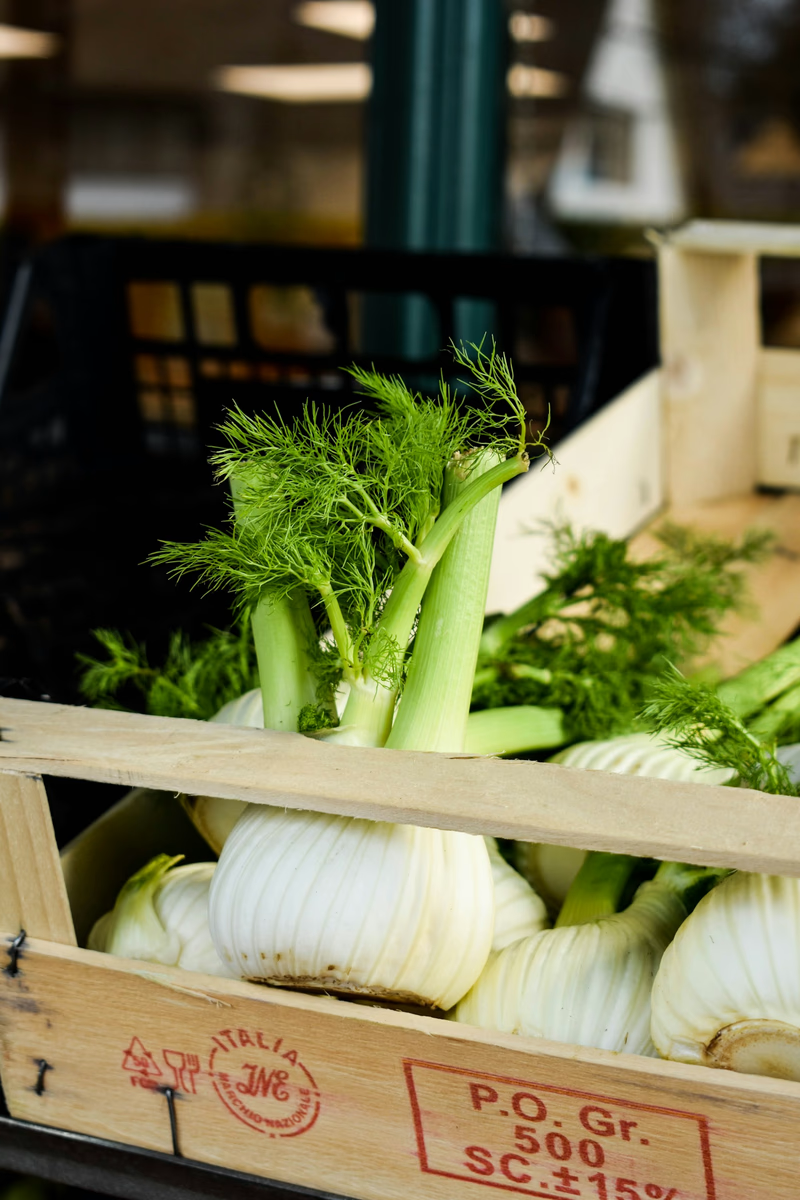
Fennel is often hailed as one of the most versatile and wonderfully edible plants in the culinary world. With feathery fronds, crisp bulbs, aromatic seeds, and even stalks that each offer unique flavors and textures, fennel can elevate dishes across a wide spectrum of cuisines. Its delicate, licorice-like flavor—sweet, refreshing, and slightly earthy—makes it a favorite among chefs and home cooks alike.
The Anatomy of Fennel: Every Part Has a Purpose
What makes fennel so exceptional is that almost every part of the plant is edible and can be incorporated into various recipes:
- Bulb: The bulb is the most commonly used part, prized for its crisp texture and mild licorice flavor. When sliced thin, it brings a crunchy freshness to salads and slaws. Roasted or grilled, the bulb softens and sweetens, adding depth to side dishes or mains.
- Stalks: The sturdy stalks are excellent for adding flavor to stocks, soups, and stews. They can also be chopped and sautéed, though they are tougher than the bulb.
- Fronds: The feathery leaves are often used as a garnish, lending a subtle hint of fennel and a pop of color to salads, fish dishes, and dips. They can also be chopped and mixed into sauces or sprinkled over roasted vegetables.
- Seeds: Fennel seeds are highly aromatic and are a staple in spice blends, sausages, breads, and desserts. Their sweet, slightly peppery flavor infuses everything from curries to Italian biscotti.
- Flowers: Though less common, fennel flowers can be used as a pretty garnish or infused in syrups and vinegars for a mild, sweet flavor.
Fennel in Global Cuisine
Across the world, fennel finds its way into countless traditional dishes:
- Italian Cuisine: Fennel seeds are essential in Italian sausage and regional breads. The bulb features in classic salads like insalata di finocchio and is often braised or roasted alongside meats.
- Indian Cooking: Fennel seeds are a key ingredient in Indian spice blends such as panch phoron and garam masala, bringing sweetness and complexity to curries.
- French Dishes: The bulb and fronds are used in Provençal recipes, and fennel appears frequently in fish stews like bouillabaisse, where its aromatic qualities complement seafood beautifully.
- Mediterranean Salads: Raw fennel bulb is a favorite in Mediterranean salads, paired with citrus, olives, and fresh herbs for a refreshing bite.
- Sweets: Fennel seeds add a unique flavor to cookies, breads, and even ice cream in many cultures.
How I Enjoy Fennel: Salads and Bouillabaisse
Personally, fennel is a staple in my kitchen, especially when making crisp, refreshing salads and hearty French bouillabaisse.
For salads, I love to thinly slice the bulb and toss it with orange segments, Kalamata olives, red onion, and a simple lemon vinaigrette. The crunchy texture and subtle sweetness of fennel balance the tartness of citrus and the brininess of olives. A sprinkle of chopped fronds adds freshness and color.
In bouillabaisse—a classic Provençal seafood stew—the magic of fennel truly shines. I sauté diced bulb and stalks with onion, garlic, and tomatoes as the flavor base. The fennel infuses the broth with its gentle anise aroma, harmonizing with saffron, orange zest, and shellfish. Finishing the dish with a garnish of fennel fronds elevates the presentation and flavor.
Tips for Using Fennel at Home
- Choose Fresh: Select bulbs that are firm, white, and free from blemishes. Fronds should be bright green.
- Experiment: Try roasting the bulb with olive oil and parmesan, or add raw slices to slaws and sandwiches.
- Save the Seeds: Toast fennel seeds to deepen their flavor, and use them in homemade bread or spice rubs.
- Make Stock: Use the stalks and trimmings to flavor homemade vegetable broth.
Conclusion
Fennel is truly a gift to cooks, offering its unique flavor and versatility in every part of the plant. Whether you’re a fan of crisp salads, aromatic stews, or inventive desserts, fennel has a role to play on your table. Embrace this wonderfully edible plant and bring its magical qualities to your own culinary creations.
Muhammara Paste: My Culinary Discovery
A Middle Eastern Gem That Found a Home in My Kitchen
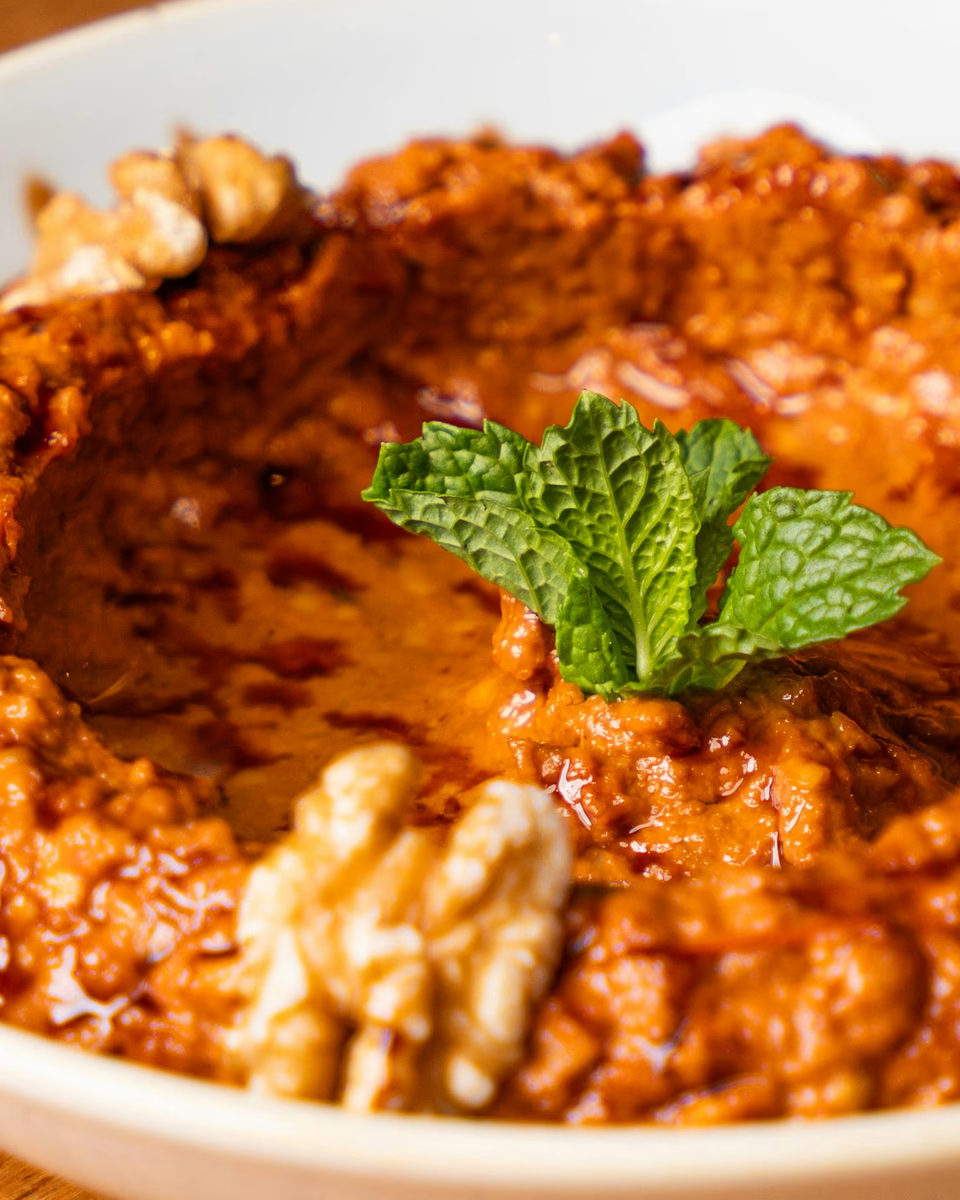
I first encountered Muhammara paste during a memorable journey through the Middle East. At a bustling market in Doha, Qatar, I was drawn to the vibrant red spread served alongside warm breads and fresh vegetables. Its rich color and enticing aroma immediately caught my attention, yet I found myself wondering what ingredients could create such a unique flavor—smoky, tangy, and subtly sweet. My curiosity led me to scour local cookbooks and chat with generous shopkeepers, eager to uncover the secrets behind this delicious condiment. What began as a foreign curiosity soon became a staple in my own kitchen, where I now prepare Muhammara regularly for family gatherings, friendly dinners, and quiet evenings at home.
Origins of Muhammara
Muhammara traces its roots to Aleppo, Syria—a city celebrated for its culinary heritage and distinctive spice blends. The name “muhammara” means “reddened” in Arabic, a nod to the paste’s stunning hue. Over time, it became beloved across the Middle East, and then winning fans all around the world.
My Favorite Muhammara Recipe
After trying several versions and experimenting with flavors, I’ve settled on my own favorite version of the recipe. The essential ingredients are roasted red peppers, walnuts, olive oil, and a few well-chosen seasonings. Here’s how I make it at home:
- 2 large red bell peppers (or 1 cup jarred roasted red peppers, drained)
- 1 cup walnuts, toasted
- 1/4 cup breadcrumbs
- 2–3 tablespoons extra-virgin olive oil
- 1–2 tablespoons tamarind paste
- 1–2 garlic cloves, minced
- 1 tablespoon lemon juice
- 1 teaspoon ground cumin
- 1 teaspoon Aleppo pepper or red chili flakes (to taste)
- Salt and black pepper, to taste
First, I rub a little olive oil and roast the red peppers over an open flame or in the oven until their skins are charred. Once cool, I peel them and remove the seeds.
In a food processor, I pulse the toasted walnuts until finely chopped carefully not to make them into a paste.
I add the roasted peppers, breadcrumbs, garlic, lemon juice, tamarind paste, cumin, Aleppo pepper, and a pinch of salt and black pepper. I blend just until everything is mixed but still a little chunky. While the processor runs, slowly drizzle in the olive oil, watching the mixture transform into a lush, spreadable paste.
Finally, taste and adjust—sometimes salt or a bit more lemon. I like to serve Muhammara in a bowl drizzled with olive oil, always at room temperature.
How I Use Muhammara Paste
Muhammara’s versatility is one of the reasons I return to it again and again. I often serve it as a dip with pita or crunchy vegetables, especially when friends come over for a mezze platter. The nutty, tangy spread elevates simple sandwiches and wraps, and it is a delightful topping for grilled meats or fish.
But my enjoyment of Muhammara doesn’t stop there. I love swirling it into cooked grains, spooning it over roasted vegetables, or using it as a sauce for pizza. Its combination of sweetness and spice pairs beautifully with cheese, eggs, and even legumes. It’s a condiment that encourages experimentation and rewards creativity in the kitchen.
Conclusion
Discovering Muhammara was a culinary adventure that began in a faraway market and continues in my own home. More than just a dip or spread, it’s a celebration of Middle Eastern flavors and a testament to the joy of exploring new ingredients. If you’ve never tried Muhammara, I encourage you to make it part of your kitchen repertoire—you might find, as I did, that it quickly becomes a favorite.